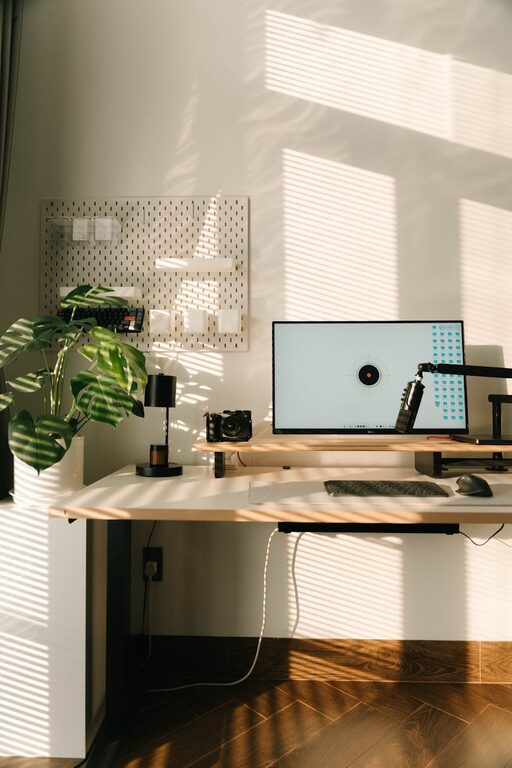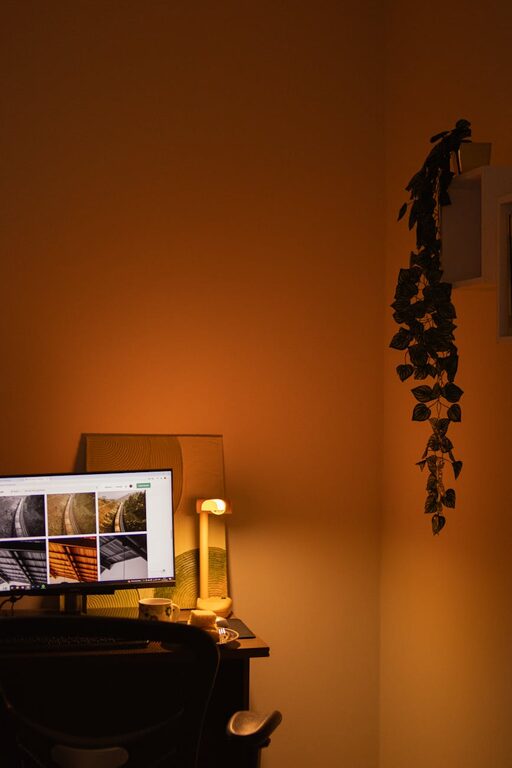
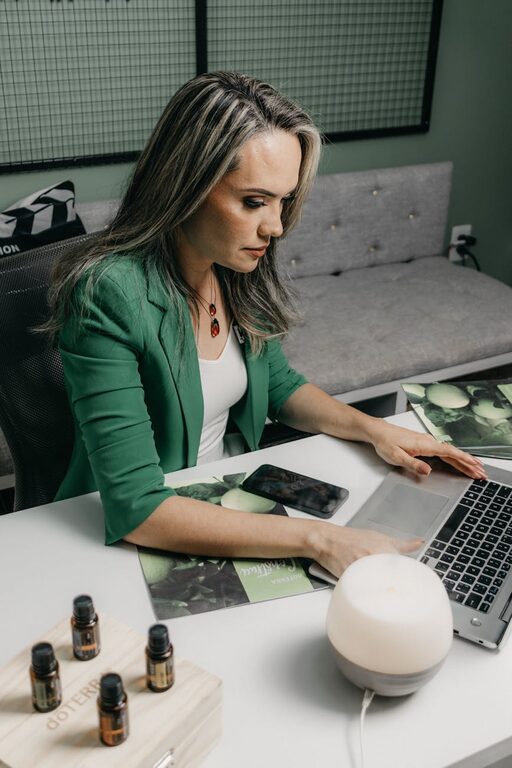
Creating a home workspace that feels both relaxing and efficient is key to maintaining productivity and promoting well-being—especially when working remotely. A thoughtfully arranged work area can help reduce stress, improve focus, and make your workday more enjoyable. Whether you have a dedicated room or a small corner in your living space, there are several ways to transform it into a calming haven that encourages productivity.
Why a Relaxing Workspace Matters
Before diving into design tips, it’s helpful to understand the connection between your environment and work performance. A cluttered, uncomfortable, or uninspiring workspace can increase distractions and fatigue. When your surroundings promote comfort and serenity, your mind can stay focused, creativity flows more freely, and you’re generally happier throughout the day.
1. Choose the Right Location
Consider Natural Light and Quietness
Opt for a spot in your home that receives plenty of natural light, if possible. Sunlight helps regulate your body’s internal clock and improves mood. A quiet corner away from household noise allows you to concentrate better.
Evaluate Space and Privacy
Make sure the area is roomy enough for your essential equipment like your desk, chair, and storage, without feeling cramped. Privacy is also important to prevent interruptions during focused work periods.
2. Invest in Comfortable and Supportive Furniture
Ergonomic Chair and Desk
Your chair should support your back well and allow your feet to rest flat on the floor. A desk at the right height helps prevent strain on your wrists and shoulders.
Adjustable Setup
Consider furniture that can adjust to your needs, like a height-adjustable desk to alternate between sitting and standing. Comfort boosts both well-being and productivity.
3. Keep the Space Organized and Clutter-Free
Declutter Regularly
A tidy workspace reduces stress and clears your mind for better focus. Keep only the essentials on your desk.
Use Storage Solutions
Use shelves, drawers, or organizers to store supplies and paperwork neatly out of sight but within reach.
4. Incorporate Soothing Colors and Personal Touches
Choose Calming Colors
Soft colors like blues, greens, and neutrals promote calmness and relaxation. Avoid overly bright or harsh colors that can be distracting.
Add Personal Items Mindfully
Decorate with plants, artwork, or photos that inspire you, but keep it balanced to avoid clutter.
5. Manage Lighting Thoughtfully
Combine Natural and Artificial Light
Complement daylight with adjustable lamps that provide warm, gentle light. Avoid harsh overhead fluorescents.
Position Lighting to Reduce Glare
Place lights and monitors in ways that prevent reflection and eyestrain.
6. Incorporate Nature and Fresh Air
Bring in Plants
Indoor plants improve air quality and add a refreshing touch of nature, which can relax and rejuvenate your mind.
Ventilate the Area
Open windows periodically to let fresh air circulate, keeping the environment pleasant and stimulating.
7. Minimize Noise and Distractions
Use Noise-Cancelling Options
If noise is a concern, consider noise-cancelling headphones or white noise machines.
Set Boundaries and Signals
Let others in your home know your work schedule and when you cannot be disturbed.
8. Establish a Daily Routine and Break Areas
Separate Work from Relaxation
If space allows, designate a nearby spot to take short breaks that helps you step away mentally.
Schedule Regular Breaks
Taking brief breaks during your work session relieves eye strain and clears your mind.
9. Use Technology to Enhance Focus
Organize Cables and Devices
Keep cables tidy with clips or sleeves to maintain a clean surface.
Use Productivity Tools
Apps that block distractions or remind you to take breaks can complement your peaceful setup.
Final Thoughts
Creating a relaxing home workspace takes some effort, but the payoff is well worth it. By choosing the right location, furnishing it comfortably, keeping it organized, and adding calming elements, you can build an environment that not only boosts your productivity but also enhances your overall well-being. Try implementing these tips step by step, and enjoy a more balanced, focused workday from the comfort of your home.
About the Author