Creating a relaxing home workspace is essential for maintaining focus and boosting productivity, especially as many people continue to work remotely. A well-designed environment can help reduce stress, inspire creativity, and make it easier to stay motivated throughout the day. Whether you have a dedicated room or a small corner, applying a few thoughtful tips to your setup can transform the way you work.
Why a Relaxing Workspace Matters
Your environment plays a significant role in how you perform at work. A cluttered, noisy, or uncomfortable space can lead to distractions and fatigue, decreasing your efficiency. On the other hand, a calming, organized workspace encourages concentration, creativity, and a positive mindset. Taking the time to create a peaceful home office will benefit your mental well-being and your professional output.
Choosing the Right Location
Find a Quiet Spot
Start by selecting a quiet area of your home where interruptions are minimal. This can be a spare room, part of your living room, or even a bedroom nook. The key is to choose a place where you can focus without disturbances from household activities.
Consider Natural Light
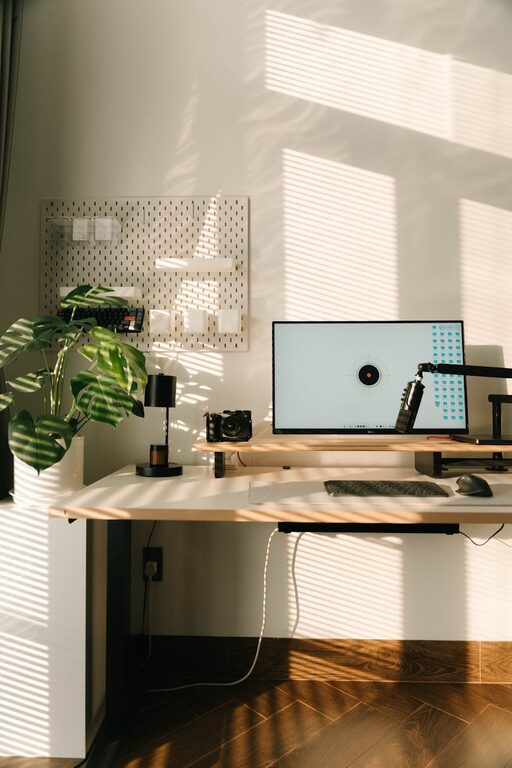
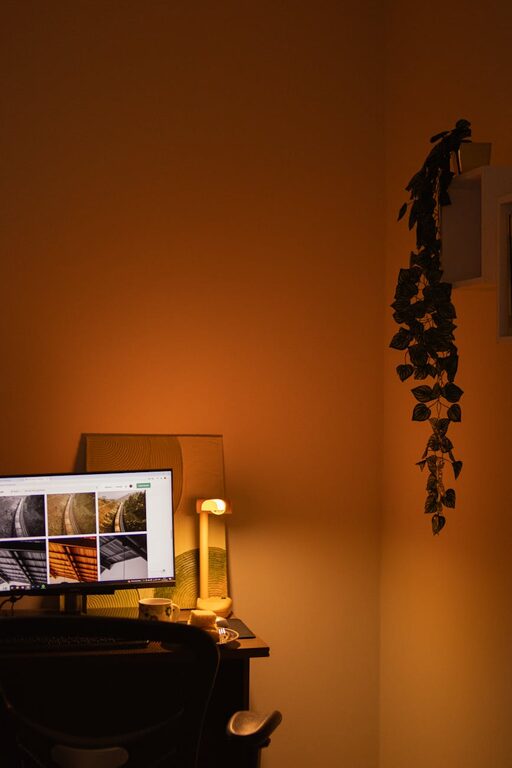
Natural light supports your mood and energy levels. Position your desk near a window if possible, making sure the light doesn’t cause glare on your screen. If natural light is limited, invest in good-quality, adjustable lighting to reduce eye strain.
Organize for Peace of Mind
Declutter Regularly
A clean workspace frees your mind. Keep only essential items on your desk and store paperwork and supplies neatly. Use organizers, shelves, or drawers to keep things tidy and accessible.
Use Soothing Colors
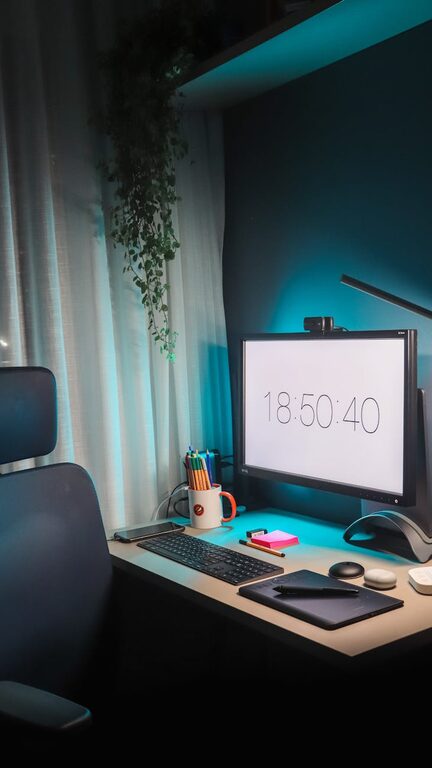
Colors affect how you feel and work. Soft, neutral tones like blues, greens, or pastels create a calming atmosphere. Avoid overly bright or harsh colors that can be distracting or stress-inducing.
Choose Comfortable and Functional Furniture
Ergonomic Chair and Desk
Comfort is crucial for long hours of work. An adjustable ergonomic chair supports good posture and prevents aches. Pair it with a desk at the right height to keep your spine aligned and your wrists comfortable.
Add Personal Comfort Items
Consider adding a cushion, footrest, or wrist pad to increase comfort. These small touches can greatly improve your overall satisfaction and reduce fatigue.
Incorporate Elements of Nature
Add Plants
Plants can improve air quality and add a refreshing visual touch. Choose low-maintenance plants like succulents or snake plants if you don’t have a green thumb.
Use Natural Materials
Wood desks, bamboo organizers, or linen accessories can bring a natural, warm feel to your workspace, contributing to relaxation.
Minimize Noise and Distractions
Use Noise-Canceling Options
If noise is a problem, think about noise-canceling headphones, white noise machines, or soft background music to help maintain focus.
Set Boundaries
If you share your home, communicate your working hours and space needs clearly. Setting physical or symbolic boundaries can help reduce interruptions.
Establish a Routine and Personalize Your Space
Routine for Mental Readiness
Begin your workday with a routine that prepares your mind. This could include a few minutes of stretching, meditation, or planning your tasks.
Personal Touches
Add a few personal items like photos, artwork, or inspirational quotes to make your space inviting and motivating. Just be mindful not to clutter the area.
Keep Technology Organized and Efficient
Manage Cables and Equipment
Tidy cables with clips or sleeves to keep your workspace neat and prevent frustration. Invest in efficient tech that supports your tasks, like a good monitor, keyboard, and reliable internet connection.
Take Breaks from Screens
Remember to follow the 20-20-20 rule: every 20 minutes, look at something 20 feet away for 20 seconds. This helps reduce eye strain and refresh your focus.
Final Thoughts
Designing a relaxing home workspace is about balance. Combining comfort, organization, and personalization creates an environment where you can thrive. By paying attention to elements like lighting, furniture, and noise control, you set yourself up for a productive and enjoyable workday. Start with small changes and adjust your space as needed until it feels right for you. Your productivity and well-being will thank you for it!
About the Author